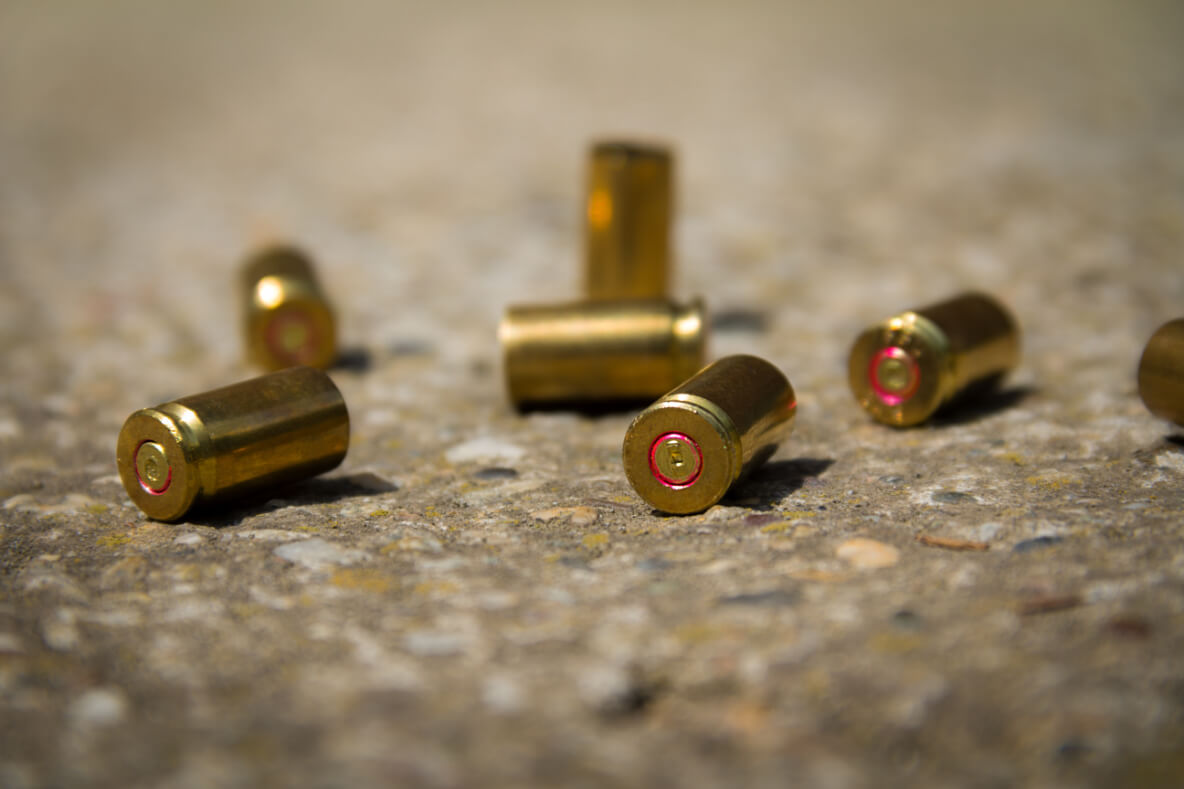
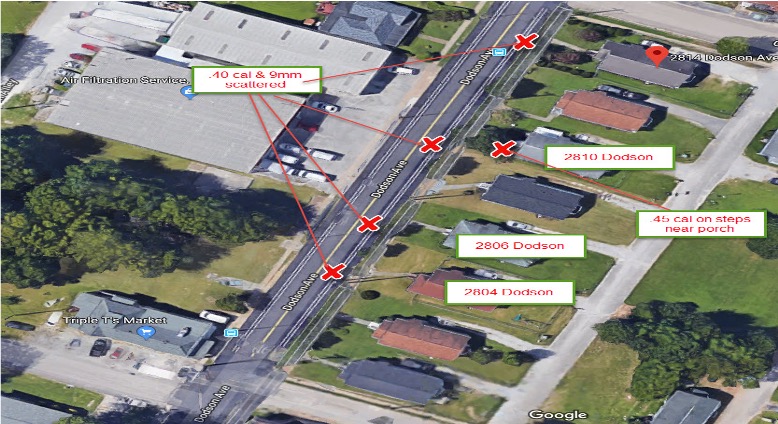
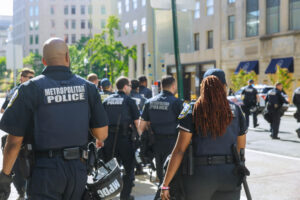
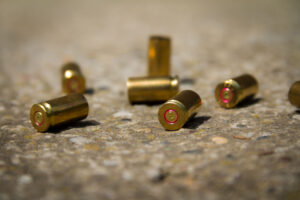
Re-canvassing a scene—regardless of whether casings were found during the initial response—is a critical component of comprehensive evidence collection. Many shooting scenes are chaotic, poorly lit, or cluttered with debris, all of which increase the likelihood that ballistic evidence may be missed during the first canvass. Environmental factors, such as changing light conditions, weather, or the movement of surrounding objects, can also make casings visible only after some time has passed. For these reasons, returning to the scene, even briefly, often yields additional evidence that can substantially enhance an investigation.
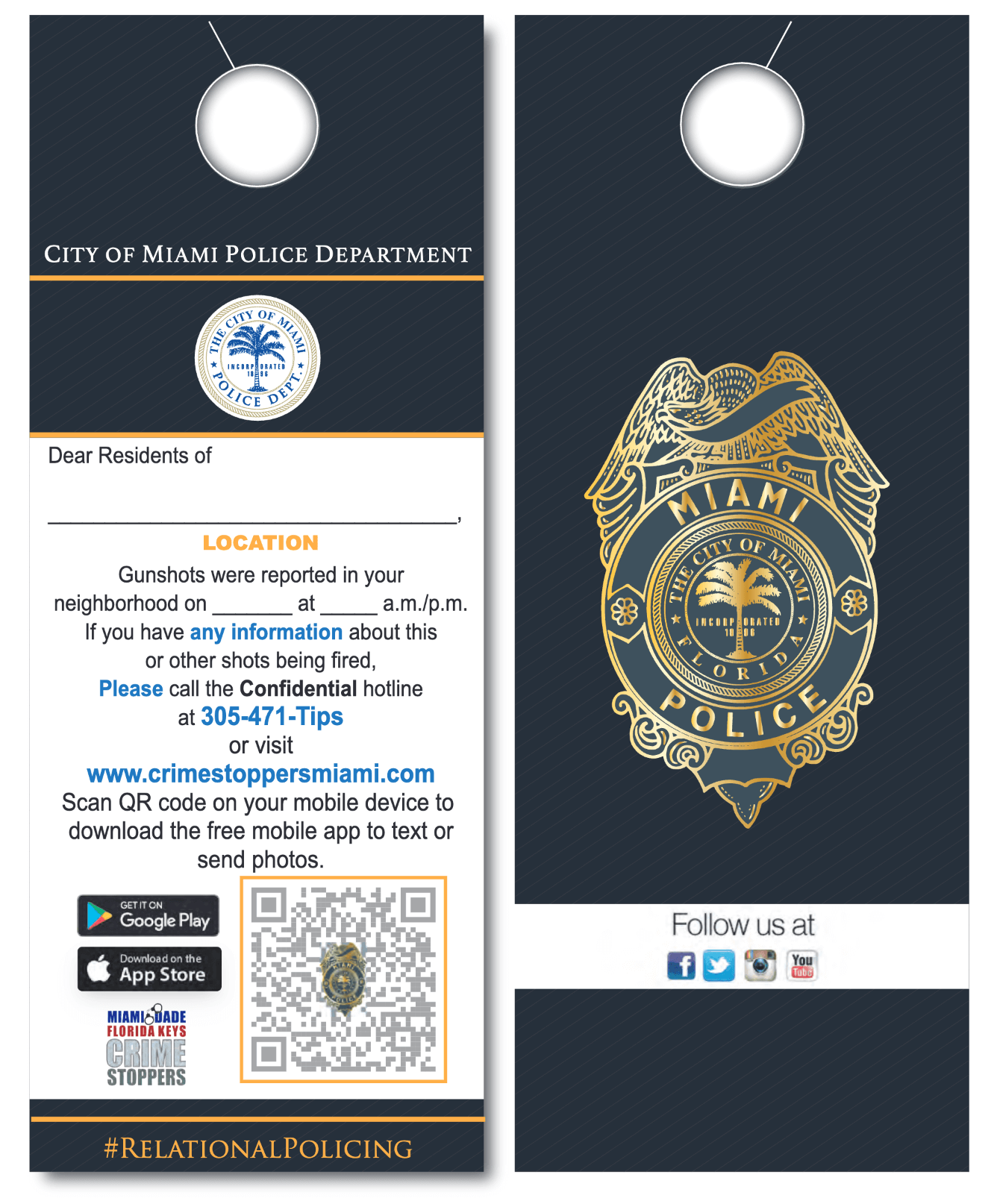
Beyond the evidentiary value, re-canvassing also demonstrates thoroughness, reinforces professional investigative standards, and provides another opportunity for officers to engage with community members affected by gun violence. The Miami, Florida, Police Department’s “Door Hanger” program illustrates how anonymous community input can be preserved while still meaningfully contributing to the investigative process. Residents in neighborhoods impacted by gun crime want assurance that law enforcement took the incident seriously and made meaningful efforts to follow up. The visible placement of door hangers or the use of a K9 demonstrates that officers were present, actively searching for evidence and witnesses, and that they did not treat the incident as routine or insignificant.
Even a single additional casing can significantly alter the direction of a case, turning a stalled investigation into an actionable lead. For this reason, re-canvassing should be treated as a mandatory procedure rather than an optional step. When additional evidence is located during the re-canvass, it is essential that officers document it thoroughly and accurately to preserve its investigative value and ensure it withstands courtroom and exculpatory scrutiny.