
Step 2: NIBIN Entry/Correlation & Crime Gun Tracing

Overview

The second step of the CGIC workflow is where crime gun evidence begins transforming into actionable intelligence. Using NIBIN and eTrace, agencies can identify the “lifecycle” of a firearm: where it began, who purchased it, what crimes it was used in, and how it was recovered. Whether a department uses an outside-the-lab model or a fully lab-based model for processing firearms and entering evidence into NIBIN, the goals remain the same: fast turnaround, standardized processing, and high-quality ballistic acquisitions that produce timely leads for investigators.
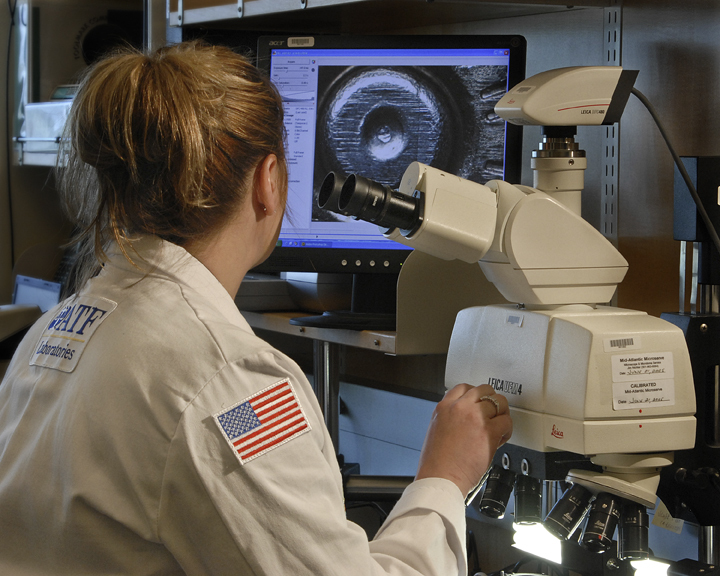
ATF firearms examiner reviews ballistic evidence using the ATF National Integrated Ballistics Information Network.

Best Practices

Resources

ATF NESS & eTrace Flyer

ATF NIBIN Fact Sheet

ATF NIBIN Program

ATF’s Police Officers Guide to Recovered Firearms

Codes of Practice and Conduct

Collecting, Transporting, and Processing DNA on Fired Cartridge Casings

Coordinating NIBIN and Forensic Science Laboratory Efforts

Crime Gun Tracing – An Overview for Investigators

Denver CGIC: Locked on Target

Firearms Identification: Quick Reference Guide

Forensic-Led Policing – Virtual Training