
Internal Feedback
Internal feedback occurs when the work of individuals who leveraged the CGIC process to investigate and prosecute cases is acknowledged and appreciated. Stakeholders should establish protocols for communicating NIBIN-related successes to all involved individuals. This includes patrol officers or crime scene technicians who collected cartridge casings or recovered a firearm, evidence technicians or forensic lab personnel who ensured the evidence was entered into NIBIN promptly to generate actionable leads, analysts who added valuable context to the NIBIN leads, investigators involved in the case, the attorneys who prosecuted the case, and any other personnel who contributed to a successful CGIC investigation or prosecution.

Internal feedback can be as simple as recognizing individuals at a roll call or meeting, awarding challenge coins, or issuing formal commendations. It is crucial to develop a system that works best for each agency, based on what its members will respond to most effectively. This approach provides positive reinforcement and emphasizes the importance of the CGIC as a collaborative process dependent on the contributions of many individuals. Internal feedback fosters a positive culture within the CGIC and supports program sustainability by highlighting each participant's commitment to the program's success. For example, when patrol officers or deputies receive feedback that the casings they collected or the gun they recovered led to a significant arrest, they are more likely to continue the comprehensive collection of cartridge casings and crime guns.
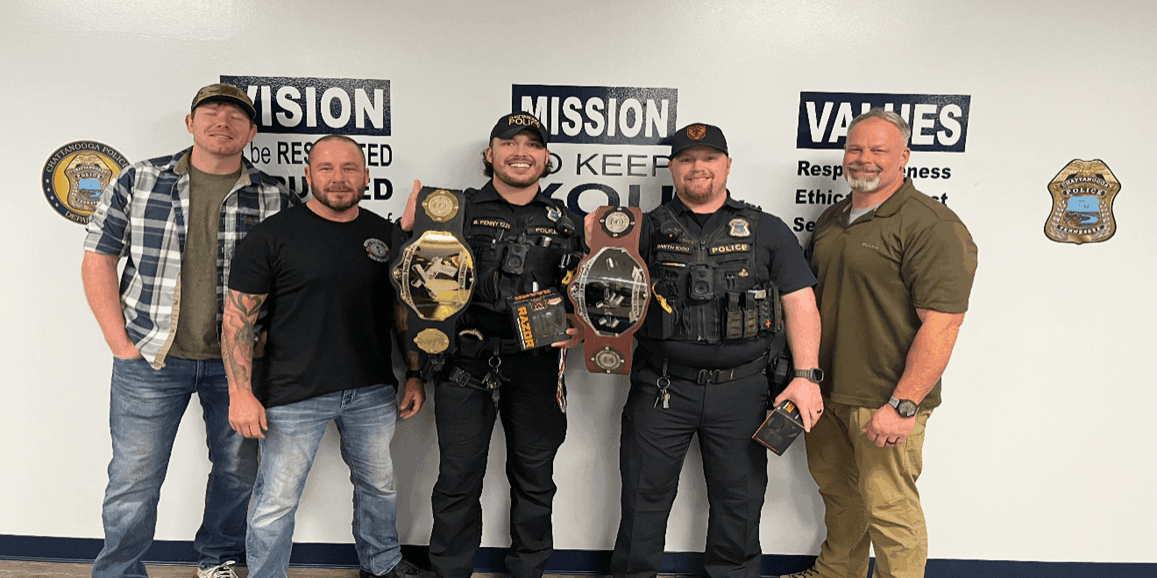
Agency Awards & Challenge Coins
To motivate agency members, many agencies have implemented awards and recognition programs for patrol officers or deputies, investigators, and analysts who have contributed to successful CGIC cases. These agencies use various methods to reward individuals, ranging from creating and distributing challenge coins or championship belts or providing formal recognition from executive leadership. Even small acknowledgments, like giving a challenge coin to an officer or deputy for recovering a firearm that helped solve a homicide, demonstrate to other members of the department that these small efforts matter and that their work will not go unnoticed.
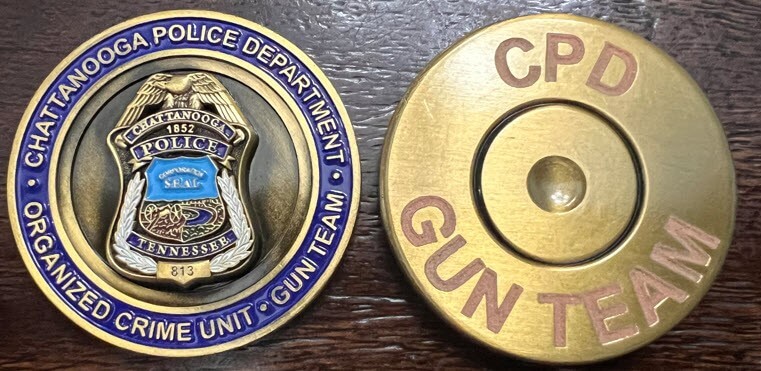
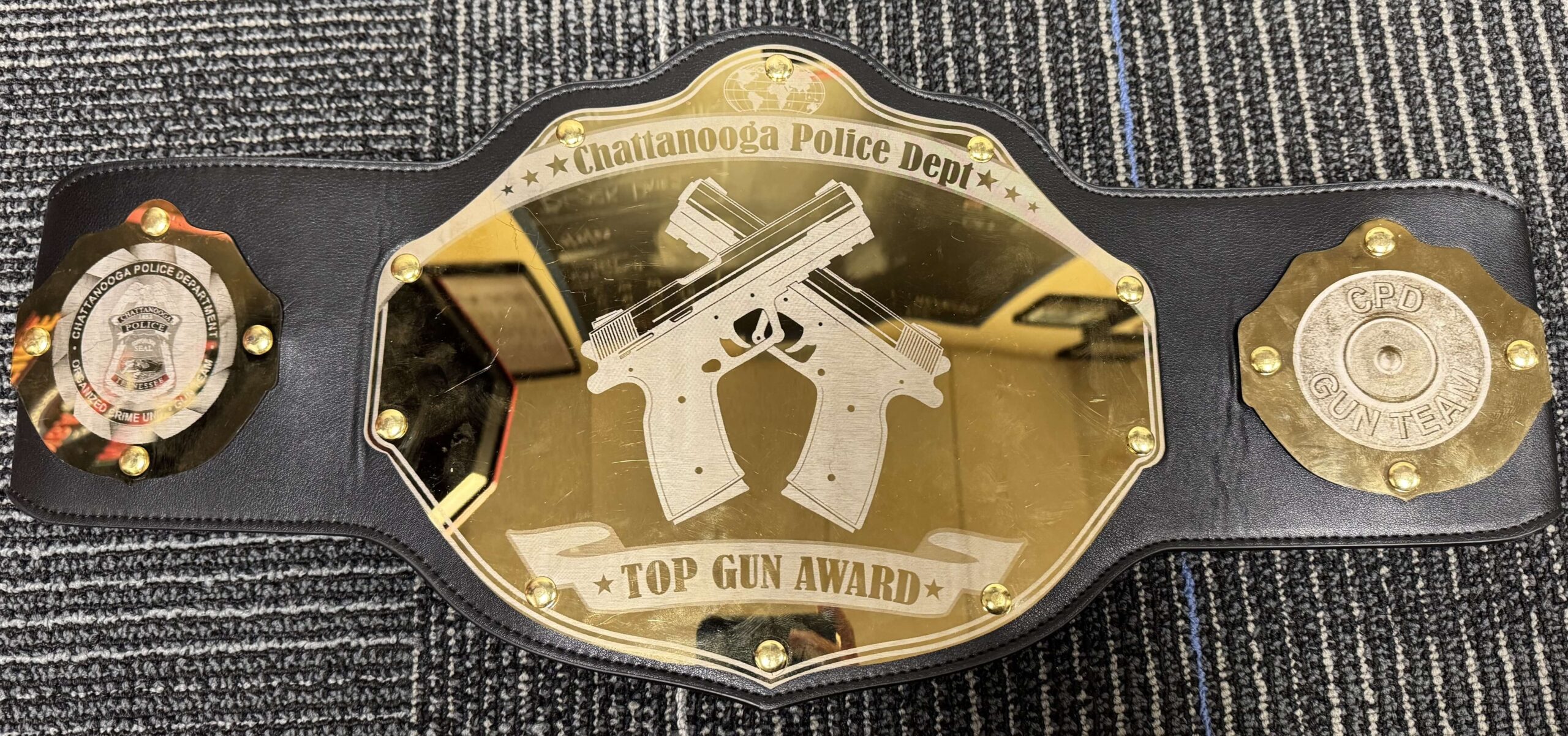

Figure 2: Chattanooga, Tennessee, Police Department CGIC Awards

Gaining buy-in for any program can be challenging but acknowledging the great work officers do every day shouldn't be. When we clearly communicate the why—such as the importance of collecting shell casings, recovering crime guns, and properly documenting both—we’re not just reinforcing the mission; we’re also building trust and accountability. By recognizing the dedication and diligence of our officers and giving them direct feedback on the impact of their efforts, we foster ownership and pride in the process. This kind of reinforcement creates the buy-in that is essential for a successful Crime Gun Intelligence Center (CGIC) program.
Joshua May
Sergeant, Chattanooga Police Department
ATF NIBIN Award
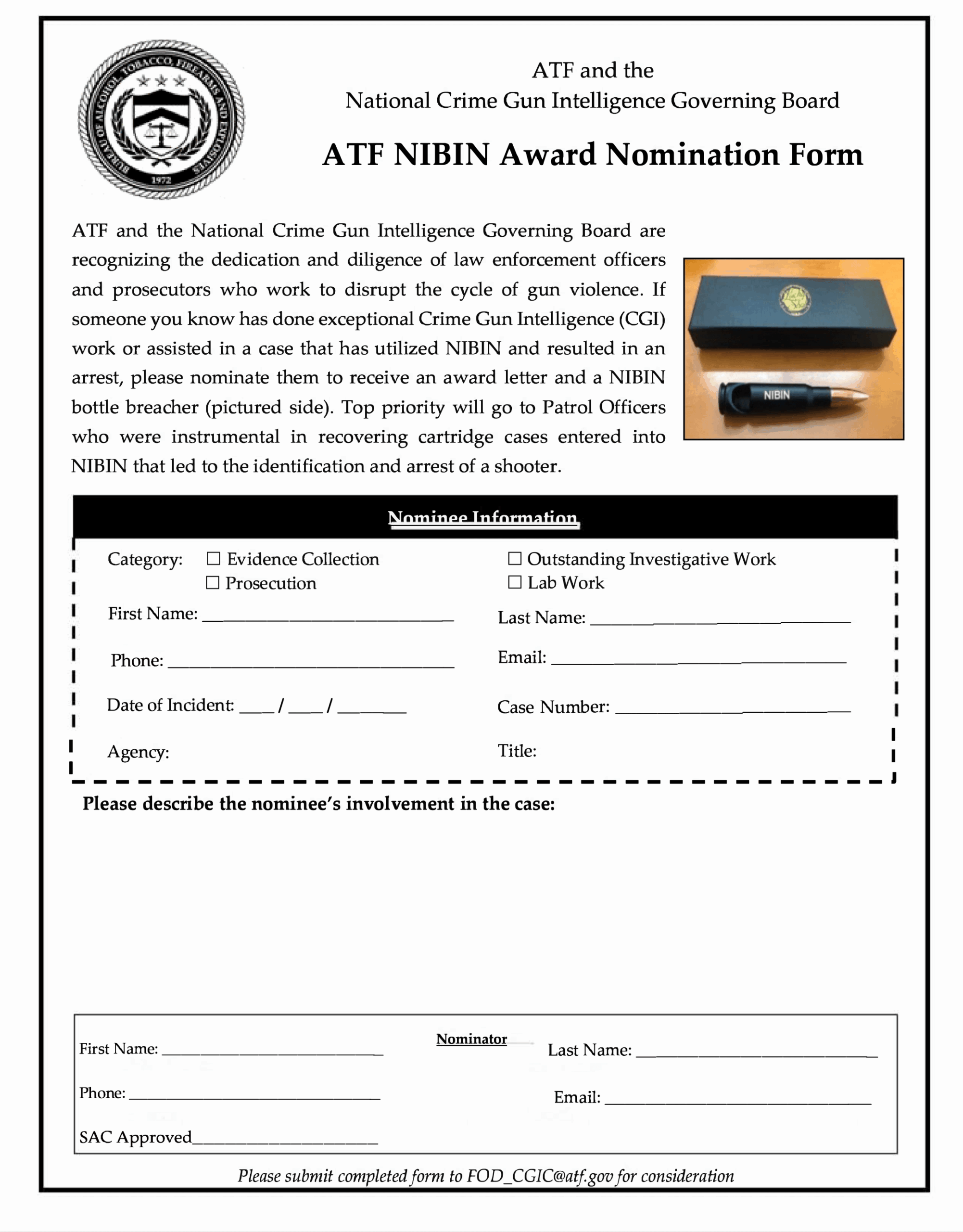
The Bureau of Alcohol, Tobacco, Firearms and Explosives (ATF) has a program to recognize the dedication and diligence of CGIC stakeholders who work to disrupt gun crime. Law enforcement agencies and state and federal prosecutors can nominate someone who has gone above and beyond in a case resulting in an arrest using NIBIN. Awardees receive an award letter from ATF thanking them for their contributions.
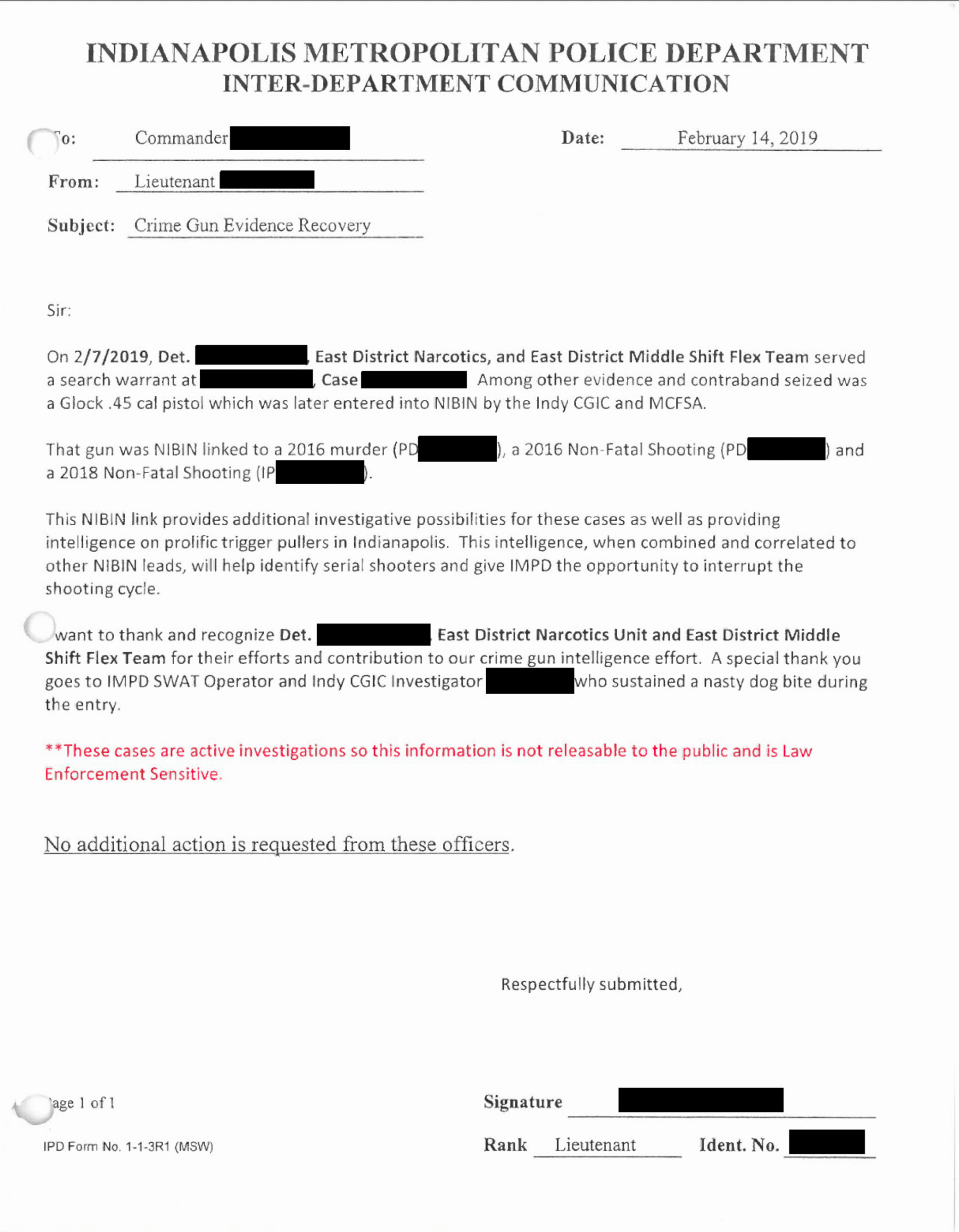
Commendation Letters
In some agencies, it may be appropriate to send interdepartmental communications to recognize the work of patrol personnel, investigators, or analysts involved in CGIC cases. These letters are intended to be distributed as memos to the entire department, but they could also be placed in the officer’s or deputy's personnel file. Such communications could thank and acknowledge the patrol officers or deputies who picked up casings, recovered a firearm with significant NIBIN leads, or recognize investigators and analysts who connected multiple leads to a single suspect. These letters provide those involved with official recognition and highlight their work to agency leadership.