Stakeholders
To effectively create a Regional CGIC, it is imperative to identify all relevant stakeholders who are essential to conducting crime gun investigations and prosecutions in the region and have a vested interest in reducing gun violence in the community. In larger regions, this could involve reaching out to a significant number of organizations. Once the initial stakeholders have been identified, the focus should shift to orchestrating a collaborative effort to convene them. This approach should be transparent, welcoming, and encouraging of everyone’s input. Law enforcement agencies, forensic professionals, federal and state prosecutors, and the community should all be included in this effort.
Figure 2: Guide for Regional Stakeholder Invites
In some jurisdictions, a Memorandum of Understanding (MOU) between stakeholders may not be needed; however, in other jurisdictions, an MOU may be required. MOUs vary from state to state and within the federal government. They also differ based on the type of relationship being established between stakeholders. It is essential to determine whether obtaining MOUs among stakeholders is necessary because Regional CGICs cannot succeed without the free flow of information between partners.
To determine whether an MOU is necessary and what type it should be, stakeholders should convene to discuss their respective contributions to the partnership and the formality of any agreements required. Given that requirements may differ, it is advisable to involve the legal departments of each participating entity in these discussions.
Law Enforcement Agencies
The goal of a Regional CGIC should be to achieve participation from 100 percent of the region's law enforcement agencies. Shifts in policy, training, and intelligence sharing within each involved agency may be necessary for success. These shifts should be guided and supported by the leading agency that is establishing the Regional CGIC.
Patrol Units
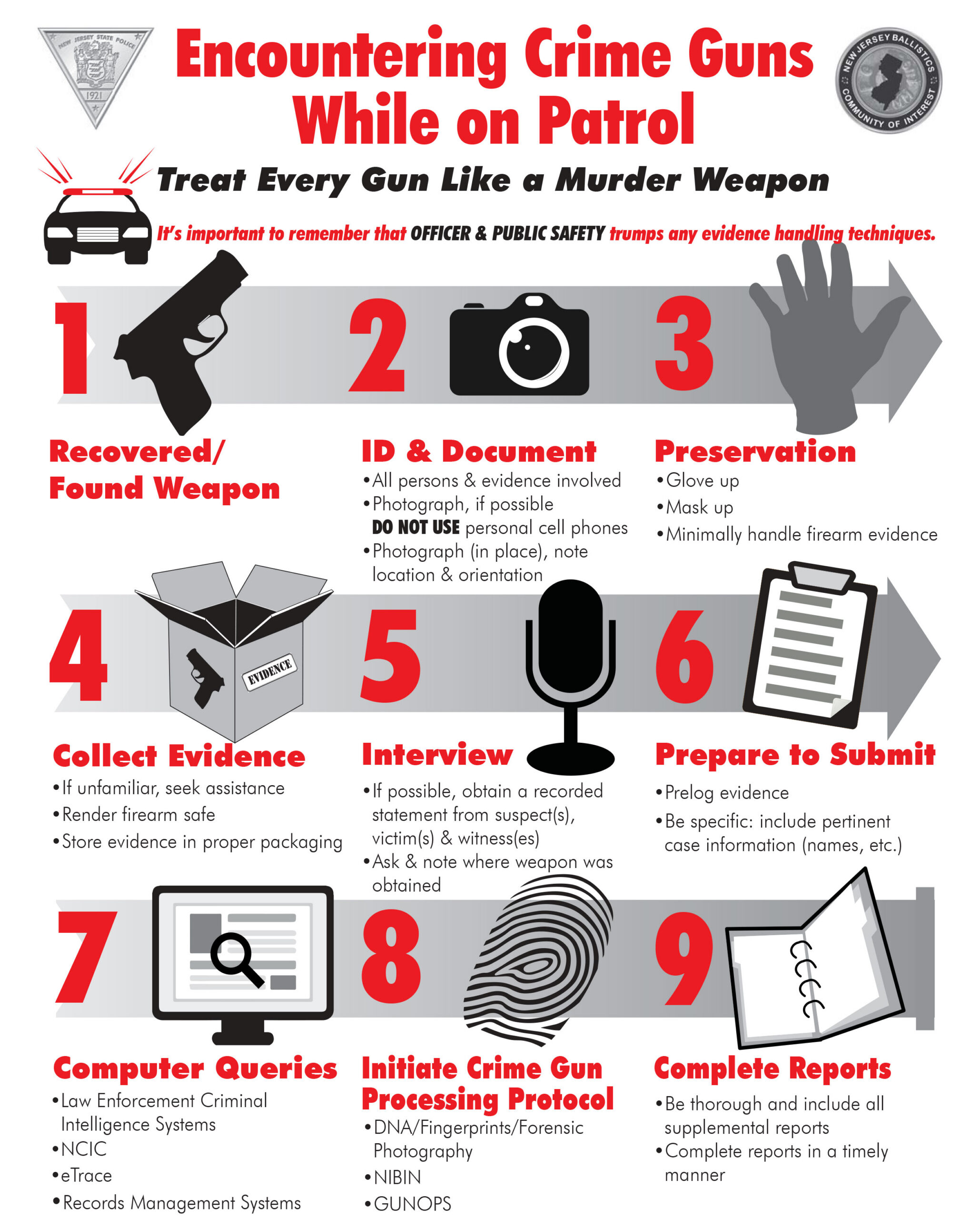
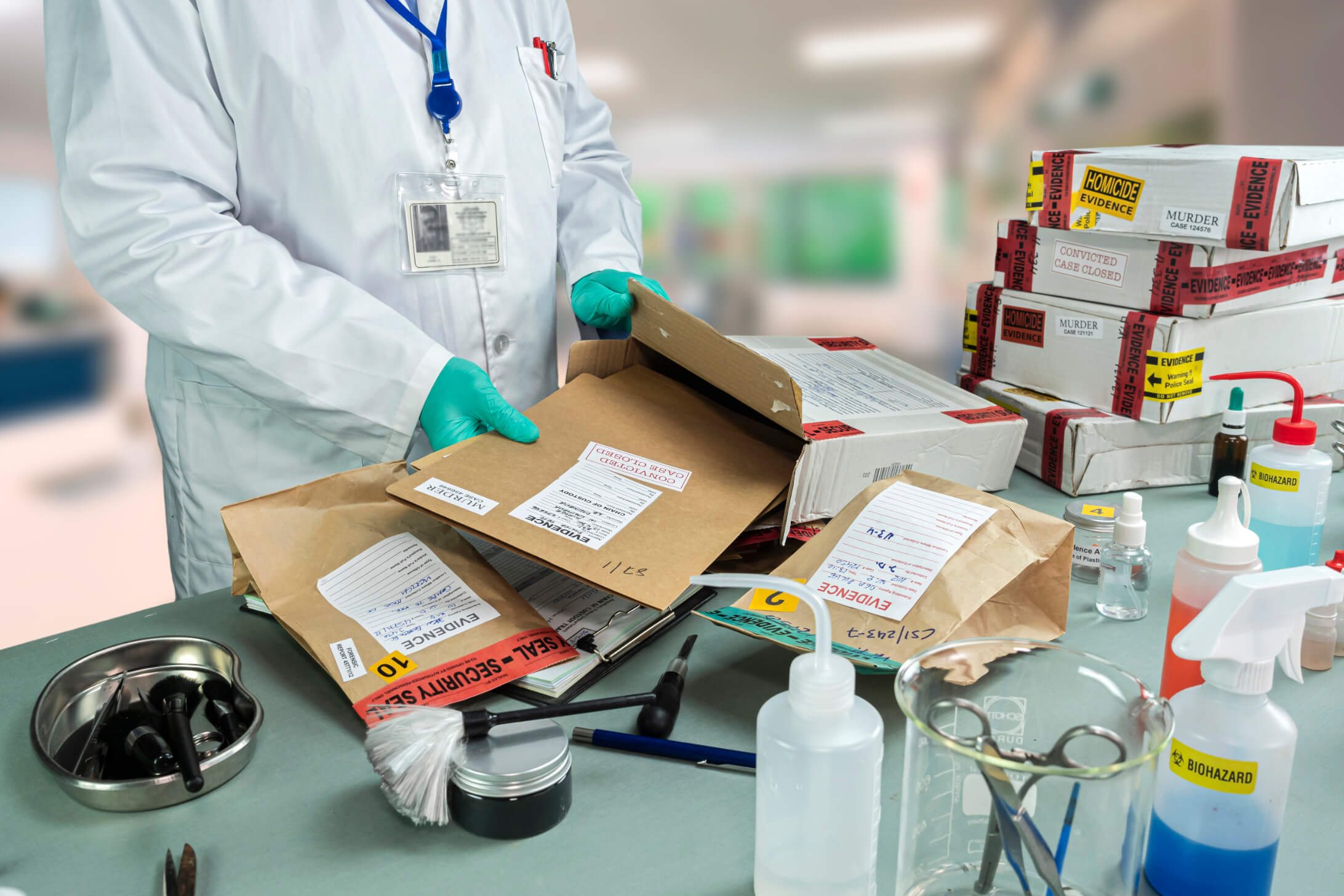
Firearm seizures typically begin with a patrol officer or deputy, as they encounter more armed suspects than any other division in a law enforcement agency. Often, patrol personnel work alone, meaning that a single officer or deputy is responsible for everything from the initial encounter to an arrest. Because of this, they must receive proper training in evidence collection. Standard operating procedures (SOPs) should be updated to reflect current practices in evidence collection, such as, upon recovering a firearm, it should immediately be placed in a sterile environment (evidence bag, gun box, etc.) or instructing the crime scene unit to deploy and collect the seized firearms at the time of the recovery when feasible.
Crime Scene Personnel
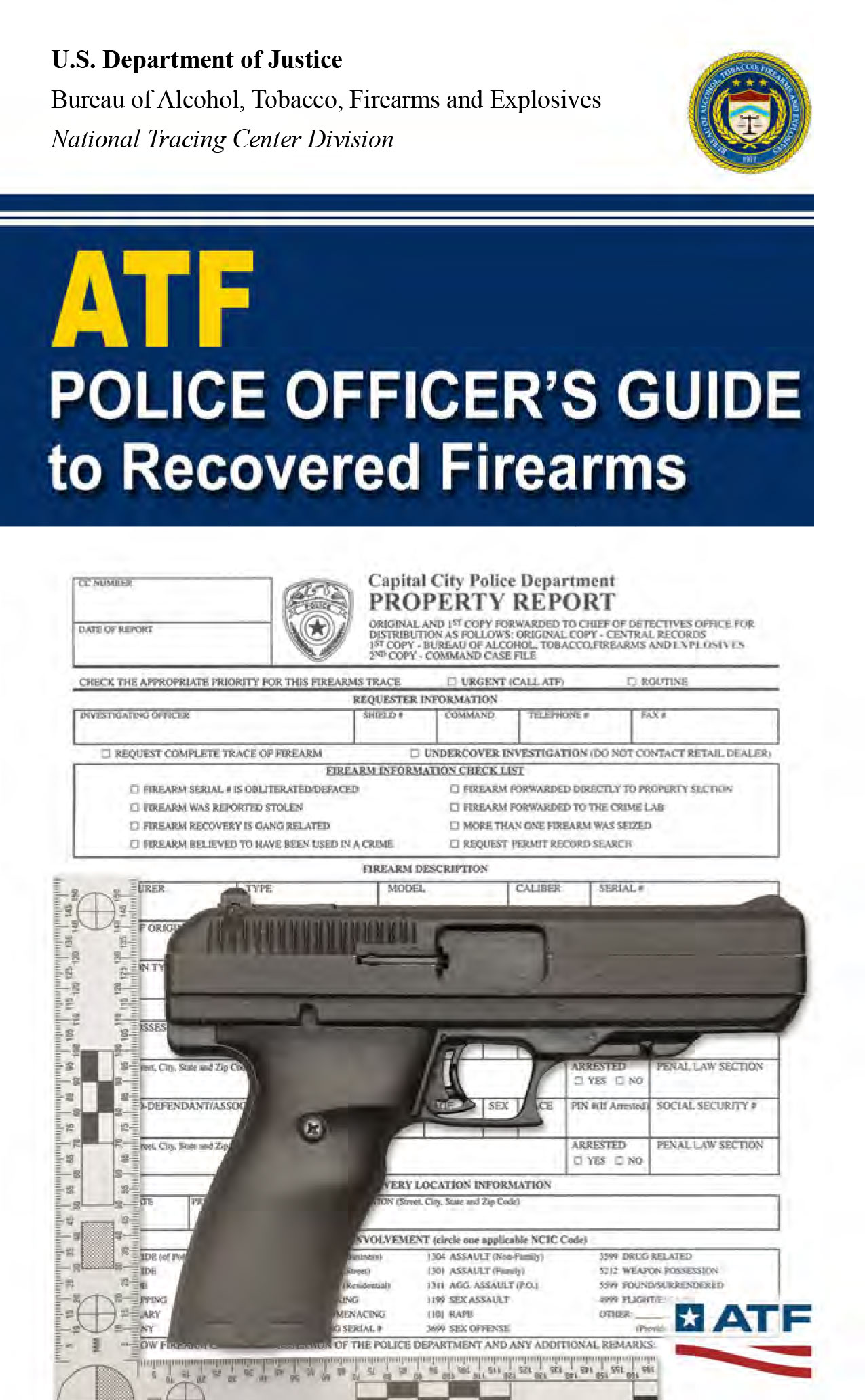
Proper evidence collection procedures are essential for maintaining the integrity of criminal cases to ensure successful prosecutions. While evidence collection procedures are jurisdiction dependent, it is crucial that the procedures are standardized across participating jurisdictions in a Regional CGIC. Firearms and scene cartridge casings should be handled consistently, regardless of which participating agency responded to the scene. Additionally, evidence collection procedures should be standardized within the same agency. Whether conducted by patrol or dedicated crime scene personnel, firearms and cartridge casings must be properly collected to ensure the evidence is preserved appropriately.
Gun Crime Investigative Units
CGICs enable law enforcement to identify the most prolific trigger pullers in their jurisdictions. In a Regional CGIC, when cross-jurisdictional gun crimes are linked through NIBIN and/or eTrace, a gun crime investigation is no longer the responsibility of a single law enforcement agency. Effectively dealing with cross-jurisdictional gun crime investigations is one of the core functions of a Regional CGIC, making it imperative for investigators from various agencies to coordinate and operate under standardized procedures. It is crucial to involve the different units that encounter gun crime in the course of their investigations. Relevant investigative units that should be involved include homicides, non-fatal shootings, armed robberies, and gangs.
To promote investigative collaboration and coordination among agencies, relevant cases should be discussed in Regional CGIC meetings. If an individual is identified as a prolific offender in the region, all stakeholders should be aware, and focused efforts should be made to remove the individual from the community. Federal criminal investigators and Task Force Officers (TFOs) can operate cross-jurisdictionally, and their involvement can aid these efforts.
Intelligence Analysts
A CGIC is an intelligence-led initiative; therefore, a Regional CGIC should serve as a conduit through which cross-jurisdictional gun crime intelligence flows freely. Intelligence analysis components from each of the involved law enforcement agencies should be prioritized. Mechanisms to facilitate intelligence sharing should be established. Analysts from the different agencies involved should maintain direct lines of communication with one another to facilitate information sharing. The Regional CGIC law enforcement partners should consider leveraging the ATF’s NIBIN Enforcement Support System (NESS) and participate in collective data sharing for both eTrace and NESS to enhance access to available crime gun intelligence in the region.
State & Federal Law Enforcement Agencies
State and federal law enforcement agencies naturally operate in a regional manner, and their existing relationships are incredibly valuable to setting up and maintaining and Regional CGIC. This can include state agencies, such as the highway patrol or federal agencies such as ATF, the Federal Bureau of Investigation (FBI), or the Drug Enforcement Administration (DEA). In some locations, it may be beneficial for the ATF to lead a Regional CGIC since they can facilitate collaboration across different jurisdictions. TFOs working with federal agencies can also support these efforts.
Forensics
The organization responsible for processing ballistic evidence, DNA, and fingerprints for the agencies involved in the Regional CGIC is a key stakeholder. Throughout the nation, various models exist. Some jurisdictions depend on crime scene personnel or even patrol to collect DNA and fingerprints from recovered firearms. Similarly, test-fires and NIBIN acquisitions may be handled internally within the agency and outside of a formalized crime lab. Other jurisdictions rely on regional or state crime labs. What matters most is that the entity assigned to process firearms and cartridge casing evidence understands the CGIC concept and the importance of the timely turnaround of NIBIN leads and eTrace results.
Phoenix, Arizona, Police Department SOP Example
Chattanooga, Tennessee, Police Department SOP Example
Prosecutors
Federal and state gun case prosecutions should be robust. Local and federal prosecutors should have a good relationship and coordinate their efforts. Ideally, each office should have an attorney designated to serve as a liaison with the Regional CGIC. Prosecutors should participate in regular meetings and provide at least monthly status updates on gun violence cases. They can also provide training to law enforcement personnel that can help improve the quality of investigations and prosecutorial outcomes. As state and federal prosecutors’ offices are already working across jurisdictions, they can be a great resource bringing more agencies to the table.
Works Cited:
[7] Office of Juvenile Justice and Delinquency Prevention https://ojjdp.ojp.gov/statistical-briefing-book/offending-by-youth/faqs/qa03103