


Tools

Tools

When establishing a Regional CGIC, it is essential to educate stakeholders about the tools they need and can access for effective CGIC operations. It is also crucial to identify which tools are readily available and how to access them. If stakeholders determine there is no viable access to the required tools, they should bring in additional partners to fill that gap or explore other avenues to obtain them. Consider using a questionnaire when onboarding new partners to the Regional CGIC to identify the tools they might contribute. Consider asking every participating agency if they have any of the following resources.

  • Firearm Test-Fire Facility/Equipment
  • NIBIN BrassTrax Terminal
  • Real-Time Crime Center
  • License Plate Readers
  • Gunshot Detection System
  • Cellphone Data Extraction Equipment
  • Surveillance Pole Camera

National Integrated Ballistic Information Network (NIBIN)

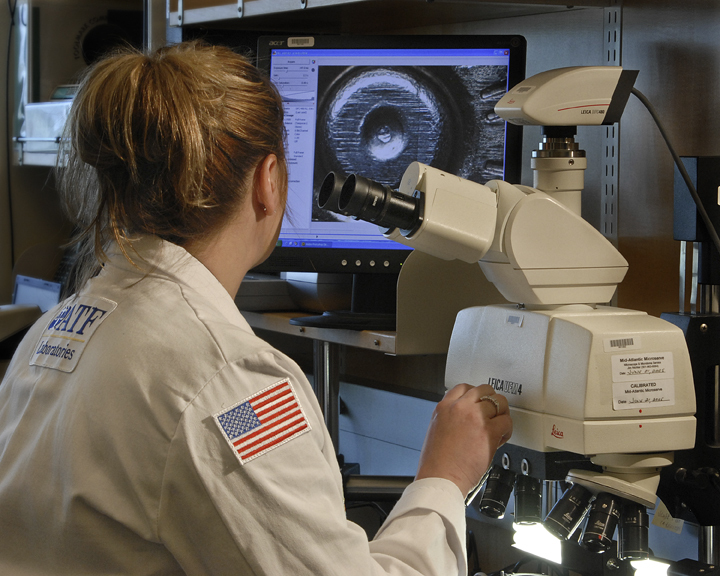
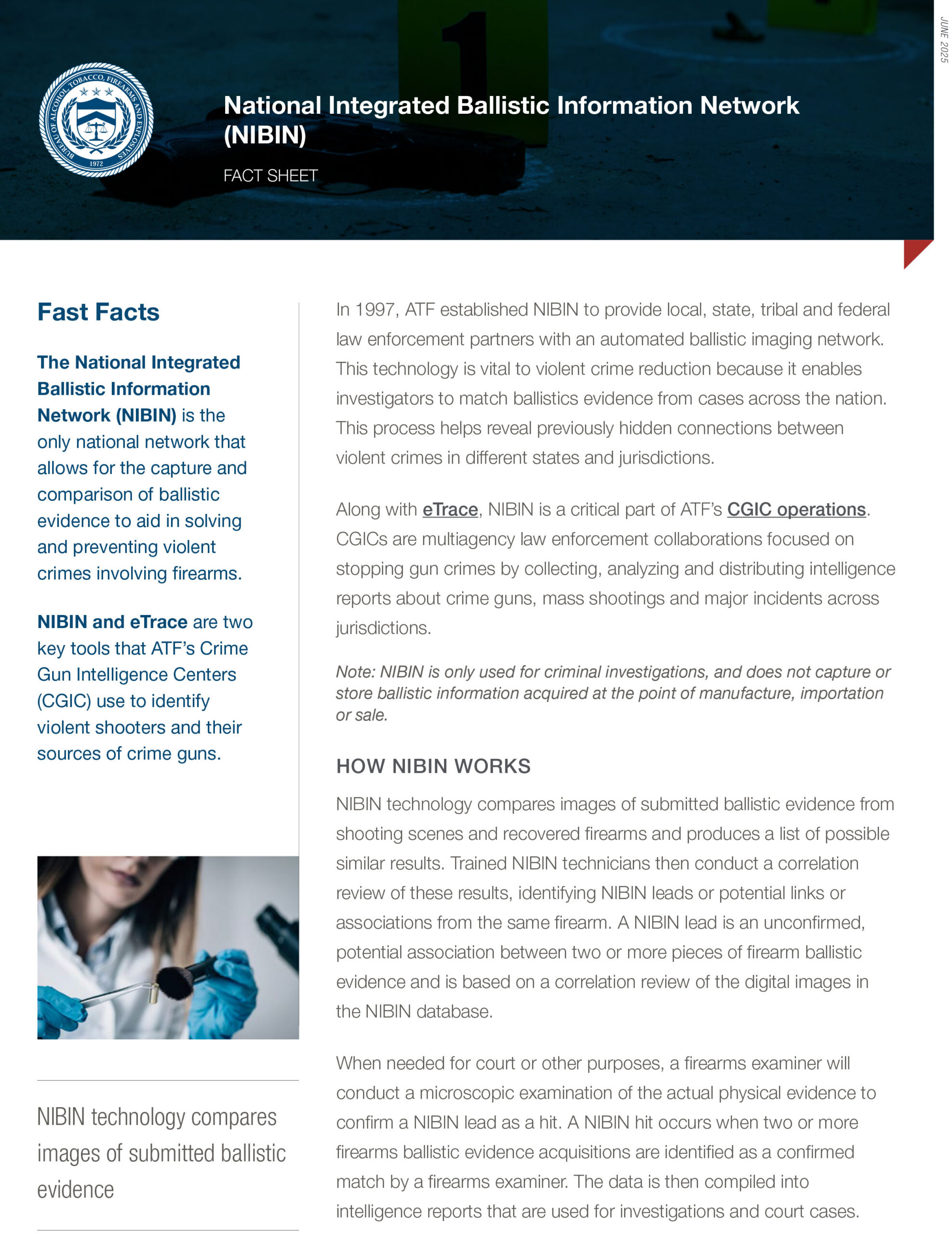
NIBIN is one of the cornerstones of a CGIC because it allows for the comparison of cartridge casings from shooting scenes and from test-fires of recovered crime guns. A successful CGIC requires that all casings recovered by law enforcement at crime scenes are entered into NIBIN, and that every NIBIN-eligible handgun or rifle seized by law enforcement is test-fired for comparison in the NIBIN database. Entering cartridge casings into NIBIN requires a BrassTrax terminal, which can be cost-prohibitive for some jurisdictions. This makes it difficult for smaller agencies with less violent crime volume or fewer resources to have access to NIBIN. A Regional CGIC can remedy this issue by providing NIBIN access to participating agencies.

A quick turnaround time for NIBIN leads makes them actionable and relevant to investigators. Whether entered in a lab or by CGIC personnel, NIBIN entries should aim for a 24-48-hour turnaround time from test-fired firearms and scene casings. Meeting this window for all submissions from agencies in the Regional CGIC will ensure compliance with the highest standards in ATF’s Minimum Required Operating Standards (MROS).

Figure 6: ATF MROS Standards

Figure 7: ATF NIBIN Fact Sheet

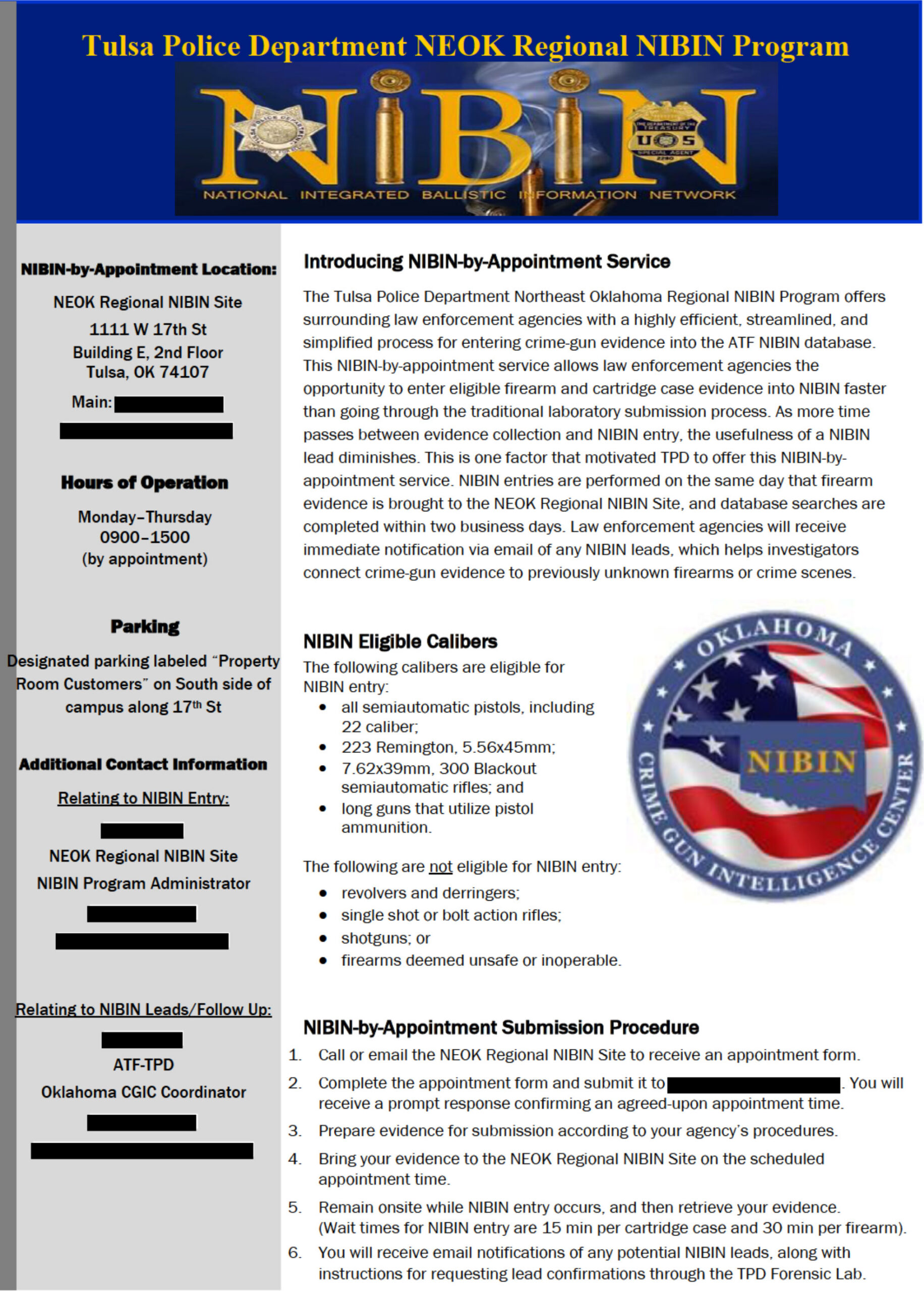
If an agency plans to offer access to a NIBIN machine or NIBIN services to other law enforcement partners, it could be beneficial to develop an informational flyer about NIBIN, explaining why they should use it and how to contact the agency to get access. Additionally, if an agency will be offering NIBIN services to other law enforcement partners, it should be decided whether test-fires will also be handled by the providing agency or if it will be required for each agency to test-fire their guns in-house and only bring cartridge casings for NIBIN entry.

Figure 8: Tulsa, Oklahoma, Police Department External Agency Flyer

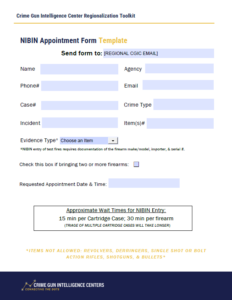
NIBIN Appointment Form

If serving other agencies, consider establishing an appointment system so agencies can schedule the use of the available BrassTrax terminals. This system will allow the providing agency to control when evidence will be submitted and how long their terminal will be used by outside jurisdictions. A NIBIN appointment form should gather the following information:

  • Name and Agency of the Requestor
  • Requestor’s Contact Information (Email and Phone Number)
  • Case Number
  • Type of Crime
  • Incident Number
  • Number of Items
  • Type of Evidence (Casings and/or Firearms)

eTrace

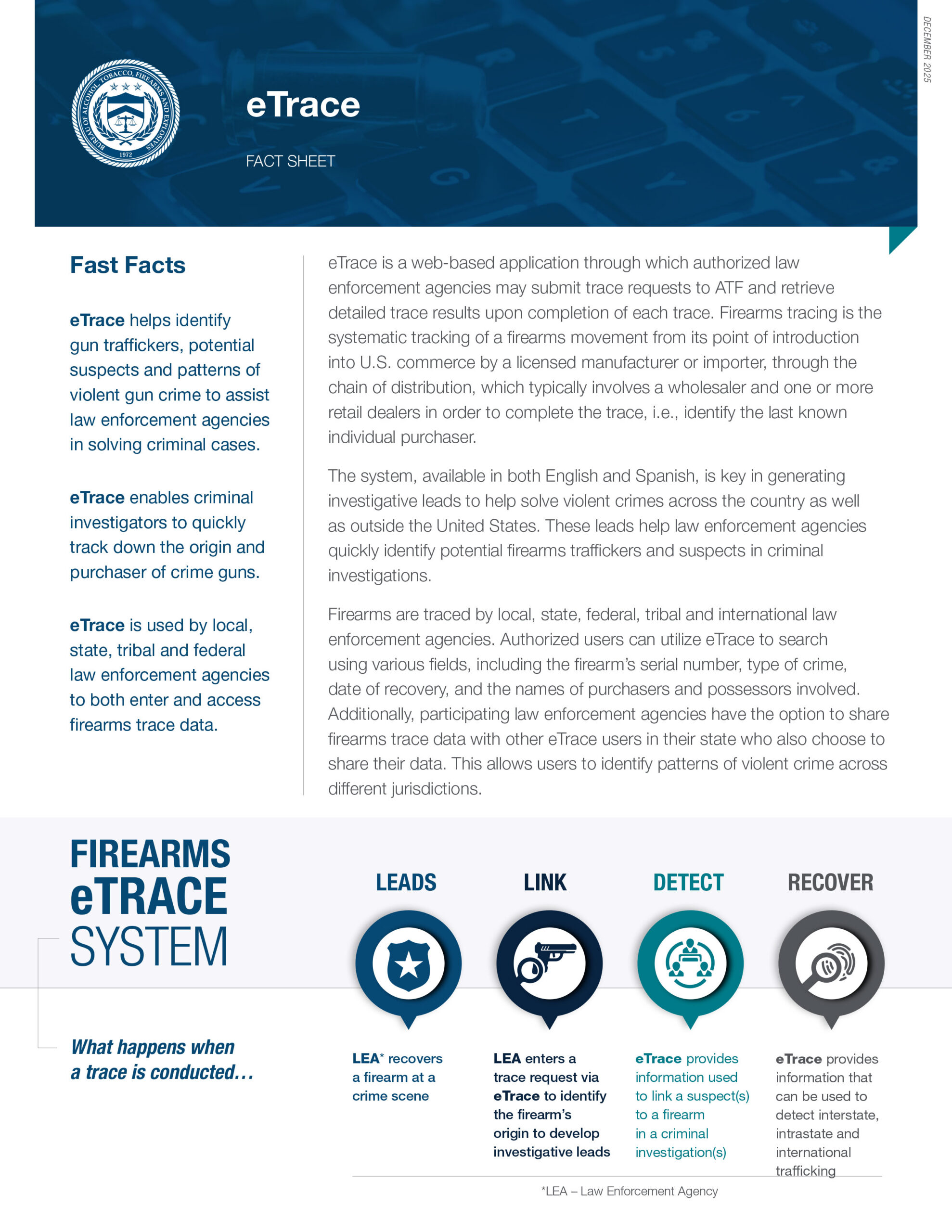
Firearm tracing is another critical component of a CGIC. All firearms recovered by law enforcement should be entered into ATF’s eTrace system. This allows agencies to discover the original firearm purchaser and its origin. Such information can assist investigators in identifying straw purchasers and gun traffickers. Participating law enforcement agencies of a Regional CGIC should understand the importance of tracing every seized firearm and how this information can support investigations.


Figure 9: ATF eTrace Fact Sheet

DNA and Fingerprints

Obtaining DNA or fingerprints from a firearm can help prove possession and greatly reduce the suspect's opportunity to argue possession of the firearm or that the DNA on it was transferred. When collection is required, it is important the evidence is handled in accordance with established procedures to preserve its integrity. In such cases, an expedited process where evidence is quickly and automatically processed is considered best practice. The goal should be to ensure that collecting DNA and fingerprints does not delay test-fires and NIBIN entries. Sometimes, collecting DNA or fingerprints is not needed, such as when physical possession is shown through body-worn camera (BWC) footage. If DNA and/or fingerprints are not needed, evidence should immediately be sent for test-fire and NIBIN entry.

Regional CGIC stakeholders should establish standardized procedures for collecting DNA and fingerprints from firearms and cartridge casings. Prosecution partners should be involved in these discussions to provide input on what types of evidence they may need in certain cases and prepare counterarguments in case the defense raises any related issues in court.

To ensure timely NIBIN entry, some jurisdictions have implemented programs to collect DNA and fingerprints in the field. Other jurisdictions rely on their crime scene technicians to gather DNA and fingerprints immediately upon returning to their work areas. Evidence can be quickly swabbed for DNA and lifted for prints. DNA swabs and prints can be preserved for further analysis while the evidence continues through the test-fire and NIBIN entry process.

Other Local Tools & Resources

Agencies involved in a Regional CGIC may have access to additional tools and resources that support gun crime investigations. These could include digital forensics tools, License Plate Readers (LPRs), surveillance cameras, Gunshot Detection Systems (GDSs), and Real Time Crime Centers (RTCCs). It is recommended that stakeholders meet to discuss the available tools within the region and how they can be integrated into the Regional CGIC. Analysts and investigators working on gun crime cases should be aware of the tools that may be accessible, even if they are managed by other agencies.

Community Strategies

Local communities can support gun crime reduction efforts and may provide valuable information about gun crime in their area. Conducting public education campaigns and giving presentations on the CGIC initiative to the community can help gain their support. Inviting community stakeholders to meetings and explaining how technology is used, what the current capabilities of the initiative are, and how the program is funded can help bridge the gap between criminal justice practitioners and community members. Partnering with social services groups focusing on gun crime could be beneficial.

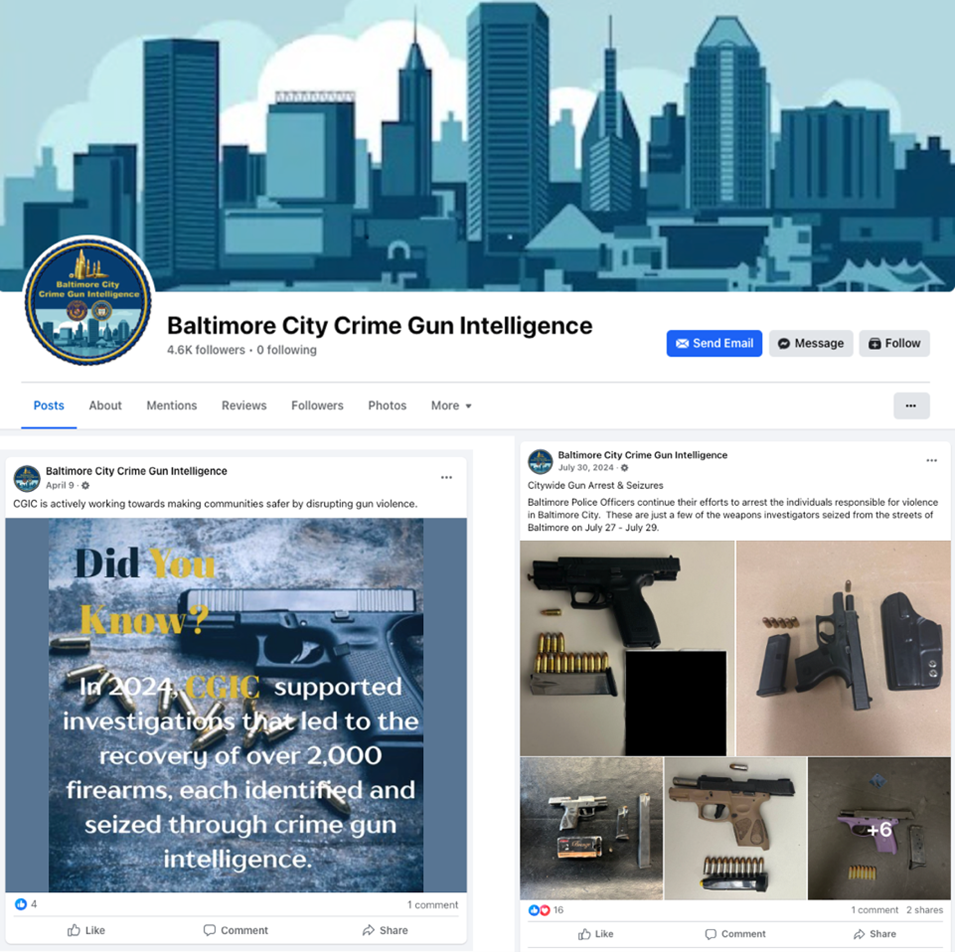
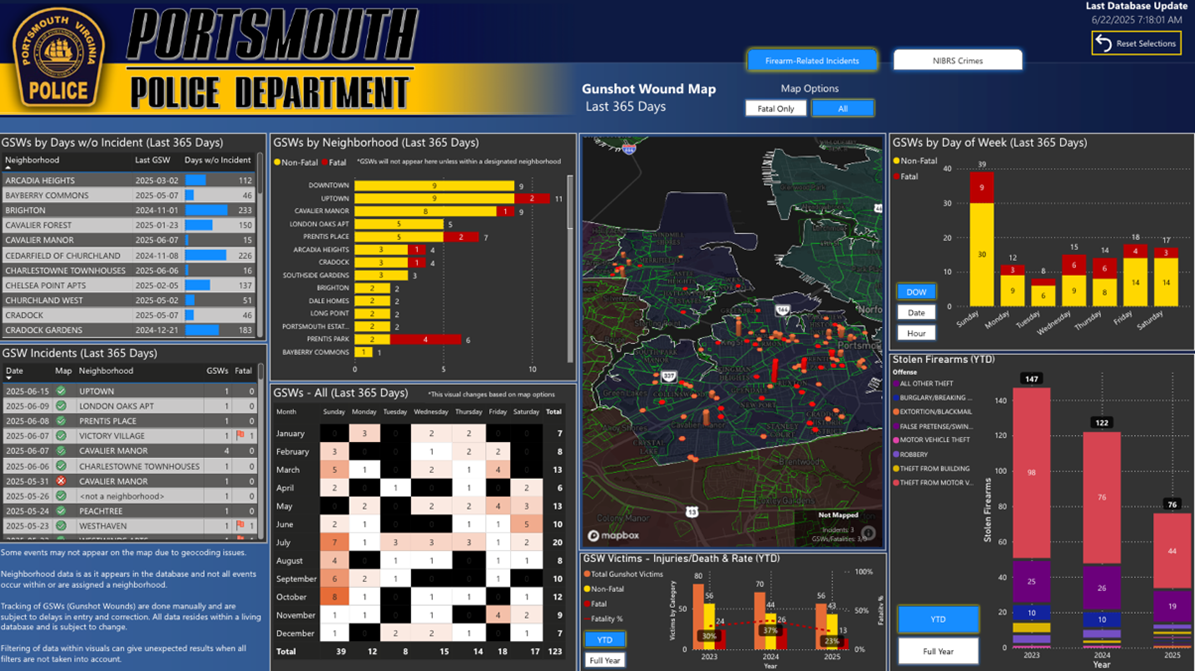
Sharing some gun crime data and CGIC activity information with the community can help build relationships with local law enforcement and encourage them to reach out if they suspect gun violence in their neighborhoods. Some jurisdictions have created publicly accessible dashboards to show gun crime data, and others have established a presence on social media. Both can help engage the community and involve them in the CGIC.
When developing a community outreach strategy, it is vitally important to ensure that all CGIC stakeholders agree on how much detail will be shared with the public. While some agencies choose to share the details of CGIC and NIBIN operations, others feel that they may be giving too much information about how gun crimes are investigated to the offenders. Every community is different; therefore, the outreach strategy should reflect the community it is serving.

Figure 10: Portsmouth, Virginia, Police Department Crime & Gun Violence Dashboard

Figure 11: Baltimore, Maryland, Police Department CGIC Facebook Page